Early Years Starter Kit
For babies and toddlers, every experience shapes their development
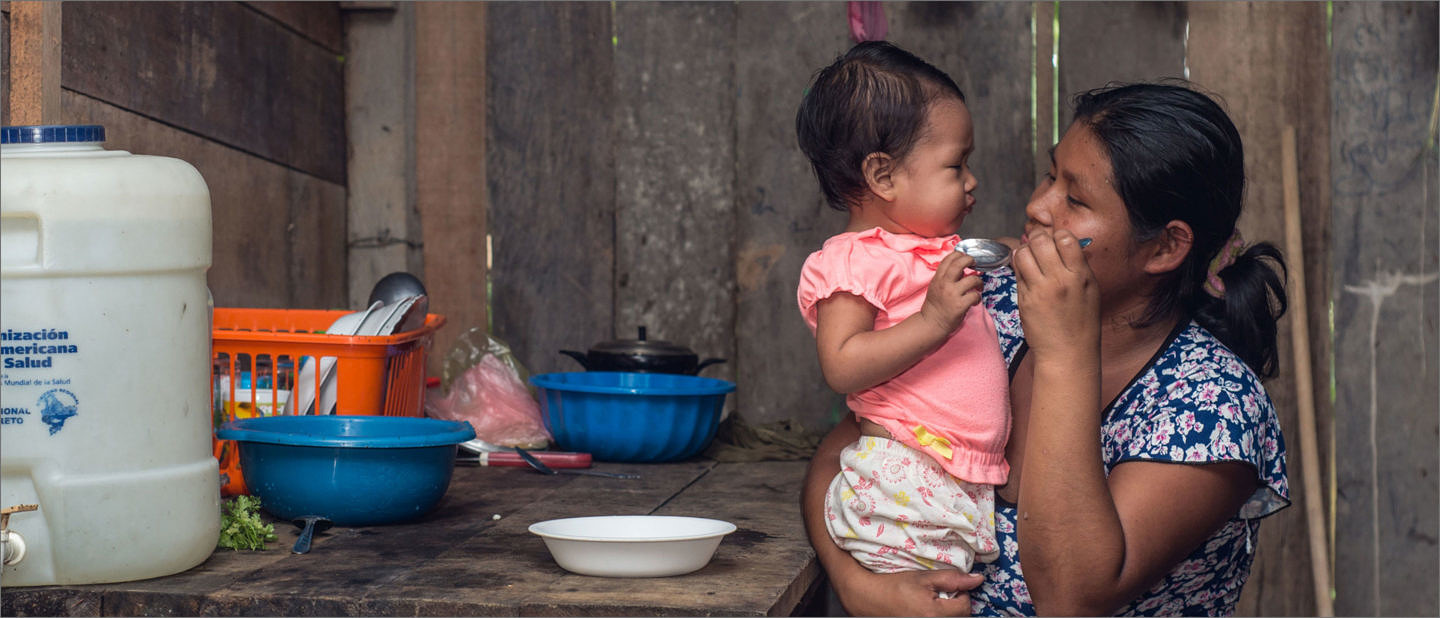
Why early years
The best way to bolster a child’s development is to support the people who care for them and the environments and services that help them thrive
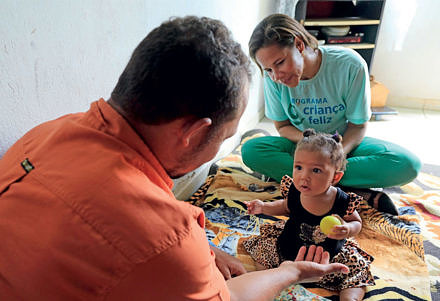
The brains and bodies of babies and toddlers develop faster during the first five years of life than at any other time. There is no better window of opportunity for governments and caregivers alike to make a lasting impact on their physical and mental health and well-being, learning capacity and earning potential.
What’s more, investments in early childhood development deliver exponential returns and lay the foundation for a peaceful, prosperous society.
Learn more
About this site
Ideas and guidance for taking early years action at municipal and national level
Designed for municipal and national government officials and their partners by the Bernard van Leer Foundation, the Early Years Starter Kit makes the case for focusing on babies and toddlers and the people who care for them, and provides an introduction to early childhood development and our Parents+ and Urban95 initiatives, a set of ideas for action and guidance on implementation.
Learn moreProgramme areas
Supporting the development of babies and toddlers, the people who care for them, and the environments in which they thrive
Learn more
Ideas for action
Get inspired! Tangible, creative ways to support babies, toddlers and the people who care for them
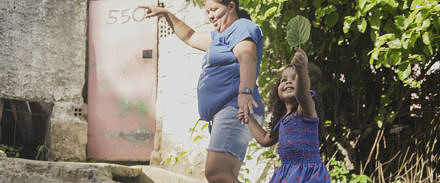
See allImproving young children’s access to nature near their home

- Nature
- Neighbourhood Planning
- Public Space


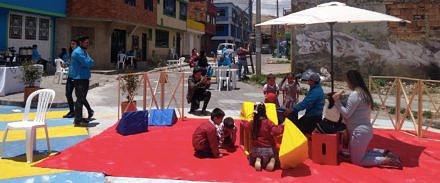
Programming for families with young children in public spaces
- Nature
- Parent coaching
- Public Space

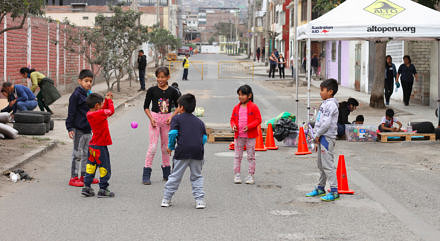
Traffic controls
- Clean air
- Neighbourhood Planning
- Public Space

Support consistent attendance at and quality of pre- and postnatal health check-ups

- Child health and nutrition
- Women’s Health


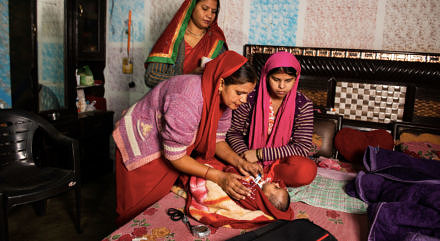
Regular child development monitoring
- Child health and nutrition
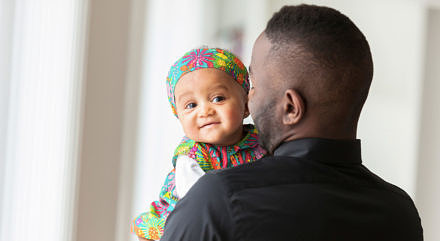
Promotion of men’s participation in maternal health, childcare and domestic work
- Childcare
- Women’s Health


Implementation
How to put ideas into practice to support early childhood development
Ready to get started? Our implementation guide draws on the experience of governments and others around the world who have set up – and scaled-up – early childhood programmes, particularly Urban95 and Parents+ initiatives. Learn how they did it – what worked, what didn’t, what surprised them and what opportunities emerged.
Get started